1. Walk-through and plan
A technician looks over the room and explains what can be cleaned and what has to be removed.
Terrace Park, OH · Hamilton County
One call to (877) 812-4220 starts bodily fluid cleanup in Terrace Park. The work includes isolating the room, removing contaminated materials, disinfecting surfaces and taking the waste out.
If anyone is in danger, call 911 first. For a suicide crisis, call or text 988.
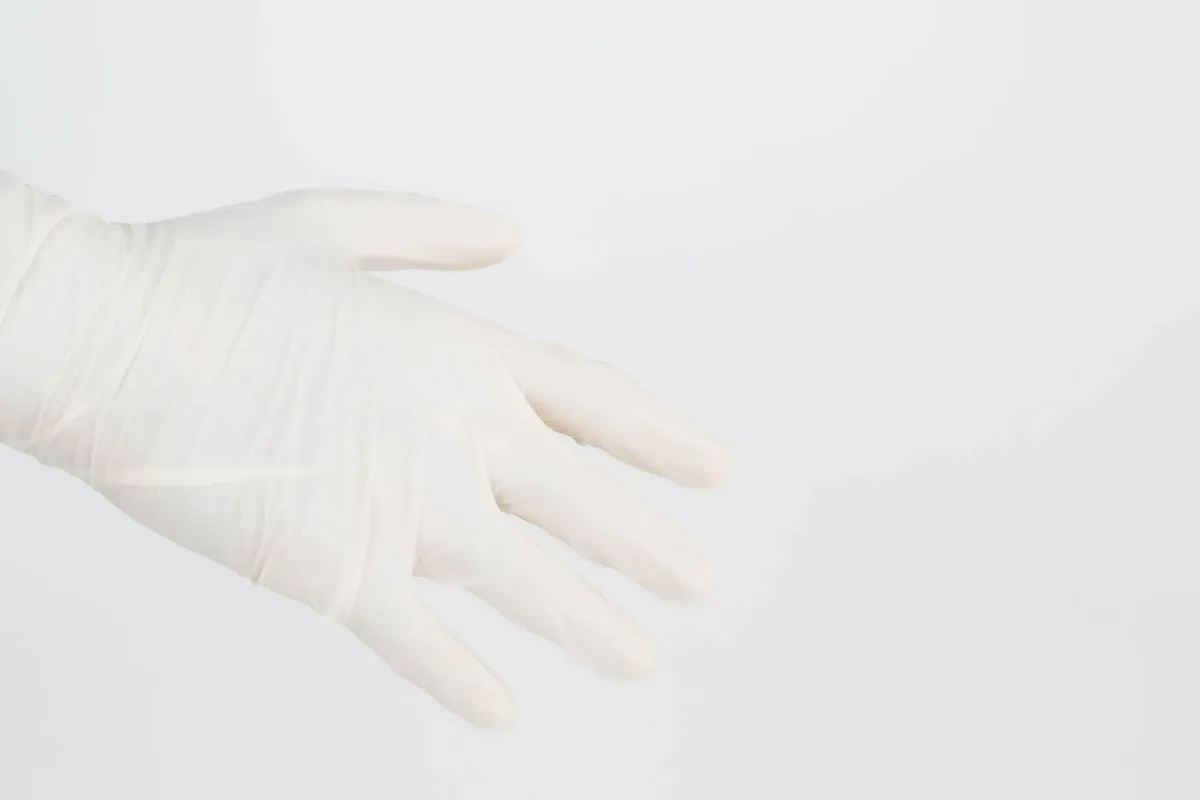
Cleaners of fecal matter work with gloves, eye and face protection, disposable coveralls and EPA-registered disinfectants. They treat the waste as a health hazard, not a household mess.
If you need bodily fluid cleanup in Terrace Park or anywhere in Hamilton County, call Terrace Park Biohazard Cleanup Help. Homeowners, landlords, property managers, caregivers and businesses can all get help.
Younger households in Terrace Park still deal with illness, accidents and vehicle contamination, and the cleanup steps are the same. Around 41% of households in Hamilton County rent, so landlords and property managers often need fluid cleanup between tenants.
Bodily Fluid Cleanup in Terrace Park usually includes:
A technician looks over the room and explains what can be cleaned and what has to be removed.
Cleaners set up protection, close off the work area and keep foot traffic out.
Fluids are removed layer by layer. Surfaces get a detailed clean followed by an EPA-registered disinfectant.
Waste is packed for regulated disposal. A final visual check makes sure nothing was missed.
Most bodily fluid cleanup jobs in Terrace Park, OH cost between $300 and $4,000, based on published cost guides.
Odor treatment is added when the smell has settled into fabric or building materials, because it takes extra products and time.
| Type of job | Typical range |
|---|---|
| Small blood or fluid cleanup | $500 - $2,500 |
| Blood cleanup, published span | $300 - $4,000 |
These ranges come from published cost guides (BioCleaners Directory, Biohazard cleanup company pricing guide) and are not a quote for Terrace Park. Price drivers include type and amount of fluid, porous or hard surfaces, waste disposal, whether odor treatment is needed. For a real number, call (877) 812-4220.
Workers who may touch blood or other body fluids are covered by the OSHA Bloodborne Pathogens Standard, 29 CFR 1910.1030. Crews wear PPE, use EPA-registered disinfectants and handle waste under medical waste rules.
Wash the skin with soap and water right away, and rinse the eyes or mouth with clean water if fluid splashed there. Then talk with a doctor or the local health department about next steps. This is general information, not medical advice.
Usually not when the fluid has soaked through. Mattresses, couches and padded furniture absorb liquid deep inside, and surface cleaning does not reach it. Soaked items are typically removed and disposed of as waste.
Dried waste can still carry germs, and sweeping or scrubbing it can send particles into the air. That is why it is cleaned carefully with protection and a disinfectant instead of dry sweeping or vacuuming.
Breathing the odor of feces is unpleasant and can irritate the nose, throat and eyes. Dried waste can also release particles when it is disturbed. Ventilate if you can, avoid sweeping or scrubbing, and call a cleanup team for large amounts.
It depends on the amount of fluid, the surfaces involved and how many rooms are affected. A small spill on tile is a short job. Fluids that reached carpet, padding or subfloor take longer because materials must be removed.
One call starts the cleanup, disinfection and disposal.
Call (877) 812-4220